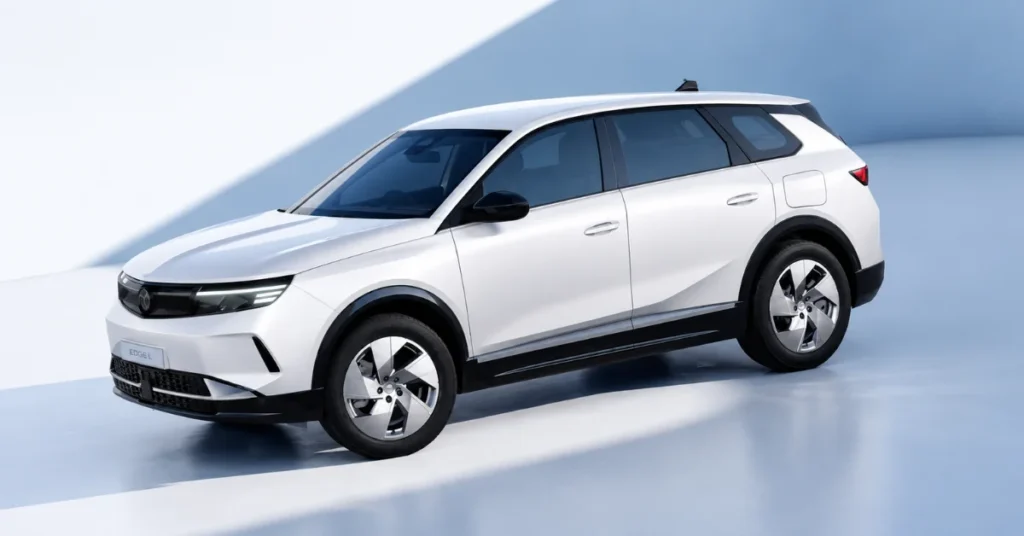
Disclosure: The Vauxhall Grandland featured here was a PR loan from Vauxhall. We haven’t bought it. This isn’t a paid partnership beyond the loan itself. Everything below is our honest experience of living with it.
We’ve just said goodbye to the Vauxhall Frontera we’d been borrowing, and said hello to its bigger sibling, the Vauxhall Grandland. I wasn’t expecting to love it quite this much.
Here’s the bit that surprised me: it had been on our drive for less than 24 hours before my partner turned round and said he wanted this as our next family car. That’s not a throwaway comment from him. We’re three weeks in now, and we still feel the same way.
So is the Grandland actually worth the hype, or is this just new-car excitement talking? I’ve pulled together everything we’ve noticed living with it day to day, plus the numbers that actually matter for a family budget. A car isn’t just what it costs to buy. It’s what it costs to keep.
What is the Vauxhall Grandland?
The Grandland is Vauxhall’s largest SUV, sitting above the smaller Frontera and Mokka in the range. The current version launched in late 2024 and is built to compete with family SUVs like the Volkswagen Tiguan, Skoda Karoq, Cupra Terramar, Kia Sportage and Hyundai Tucson. It shares its underlying platform with the Peugeot 3008, which is why the two cars feel similarly spacious inside.
You can have it as a mild-hybrid petrol or as a fully electric model, across three trim levels: Design, GS and Ultimate. RAC’s latest pricing breakdown has the hybrid range at roughly £35,700 to £37,595, with the electric version starting from around £36,055. Car pricing moves around fairly often though, so it’s always worth checking Vauxhall’s own site for the current figure before you get your heart set on a specific trim.
That price puts the Grandland firmly in the middle of the family SUV pack: not the cheapest option out there, but not at the very top either, and I’ll come back to why that matters for your wallet a little further down.
Is the boot really as big as it looks?
Genuinely, yes. I wasn’t expecting these to be as big as they are inside, and the boot is the standout for us. Vauxhall quotes 550 litres with the rear seats up, rising to 1,645 litres with them folded flat using the 40/20/40 split (per Parkers’ measurements), which is handy if you need to post something long through the middle while keeping both back seats usable for passengers.
I put our pram in, and there’s still loads of room left over. It’s the same boot that impressed a stranger enough to comment on it while I was loading up, and it’s easily coped with everything from the weekly shop to a full pram, coats and bags without anyone playing Tetris.
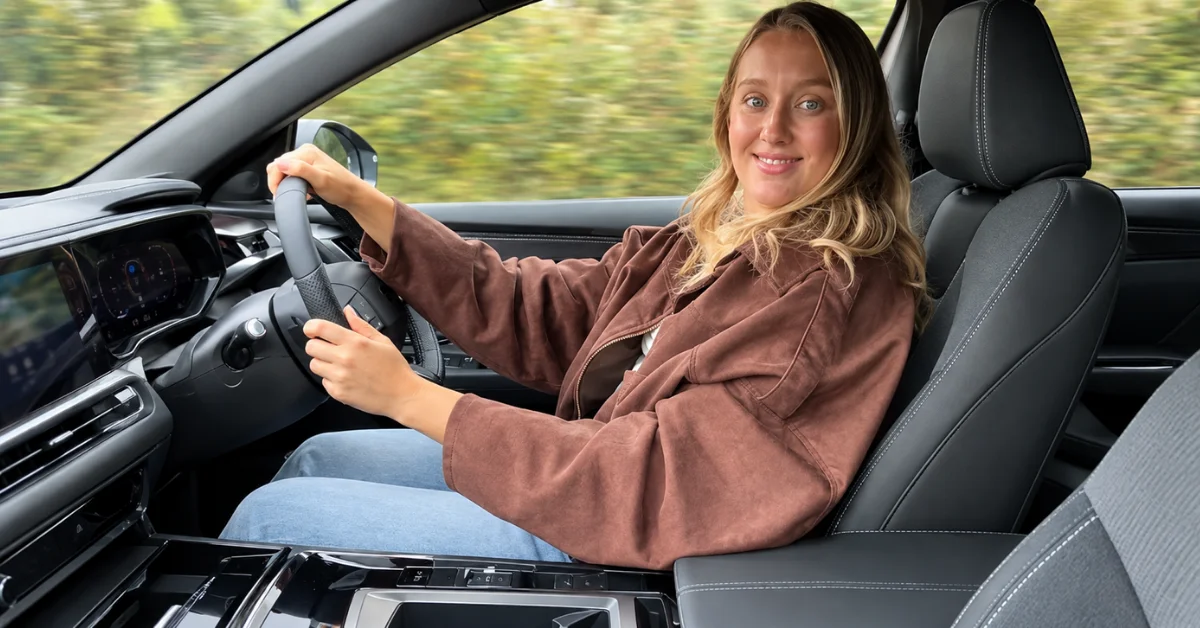
Inside, there are more “savvy” storage compartments than I clocked at first glance: a proper cooled glovebox, sizeable door bins, and a centre console bin that swallows more than you’d think. If you’re regularly ferrying kids’ bits, changing bags, scooters and the rest, this is where the Grandland earns its keep.
On the safety-seat side, there are two ISOFIX points, on the two outer rear seats, which is the standard set-up for this class of car. One thing worth knowing before you buy: the ISOFIX mounting points sit behind zips in the seat fabric, so they’re not the quickest to access if you’re regularly moving a car seat between cars. Not a dealbreaker, just worth a practice run at the dealership before you drive off.
If you’re planning family days out to make the most of that boot space, we’ve rounded up some budget-friendly Easter holiday activities that are worth a look too, since a bigger boot makes packing for a day out a lot less stressful.
The tech that actually earns its keep
Two features from the video are worth explaining properly, because they only come on the top trim.
The “bird’s-eye camera” is Vauxhall’s 360-degree surround-view parking camera. It stitches together views from cameras around the car to show you a top-down view on the central screen, which makes squeezing into tight parking spaces (or narrow school pick-up spots) far less stressful than judging it by eye alone.
The dash that “projects onto your windscreen” is the head-up display, which Vauxhall calls Intelli-HUD. It shows your speed and key info in your eyeline so you don’t need to glance down at the dashboard.
One important thing for anyone shopping based on this review: both the 360-degree camera and the head-up display are only available on the range-topping Ultimate trim, confirmed in Parkers’ trim-by-trim breakdown, alongside a panoramic glass roof, heated windscreen and a powered, hands-free tailgate.
If those features matter to you, you need to be looking at Ultimate specifically, not Design or GS. It’s an easy mistake to make when a video makes a car’s tech look standard across the board.
Grandland vs Frontera: what’s the real difference?
Since we’ve driven both, this is the comparison I get asked about most.
The Frontera is the smaller, more affordable option: Carwow has it at 4,385mm long with an RRP roughly between £24,255 and £29,565, and it’s even available with seven seats, though the boot shrinks from 460 litres down to 370 litres in that configuration.
The Grandland is a noticeably bigger car at 4,650mm long, with that 550-litre boot as standard, but it’s a five-seater only, and it costs meaningfully more to buy.
In practice, that’s the trade-off: the Frontera gives you a cheaper, more compact family car with the option of a seventh seat if you need it occasionally; the Grandland gives you more everyday space and a properly big boot, but you’re paying a premium for the privilege and you can’t add extra seats later.
If your family is likely to stay at four or five people and boot space is your priority, the Grandland makes sense. If you sometimes need a sixth or seventh seat, or you want to keep the budget closer to £25,000–£30,000, the Frontera is worth cross-shopping before you commit.
What it actually costs to run
This is the bit most car reviews skip, and it’s the bit that actually affects your monthly budget.
The mild-hybrid Grandland officially returns around 51.4mpg with CO2 emissions of about 125g/km (Carbuyer’s figures), which is respectable for a car this size. On road tax, a car in that emissions band falls into the £455 first-year rate under the current GOV.UK tables, then drops to the standard £200 a year from year two onwards.
One number is easy to miss: cars with a list price over £40,000 pay an extra £440-a-year Expensive Car Supplement on top of that standard rate, for five years. That’s £640 a year rather than £200, adding up to roughly £2,200 more in total tax over that period.
Because every mild-hybrid Grandland trim currently prices in under £40,000, you avoid that supplement altogether. It’s still worth double-checking the final on-the-road price with any optional extras added, since factory options count towards that £40,000 figure too. Add a few pricey extras to a near-£38,000 Ultimate and you could tip yourself over the threshold without realising.
On insurance, the Grandland Hybrid Ultimate sits around group 25, per Fleet News, which is mid-range for a family SUV of this size. Get a quote before you commit to a specific trim, since insurance groups vary between Design, GS and Ultimate.
If you’re already thinking about where else you can trim the household budget, cutting your household bills is one of the easier wins that can help offset a bigger car payment.
Things to check before you buy or lease the Vauxhall Grandland
- Trim really matters here: Design gets you a 10-inch touchscreen, parking sensors and dual-zone climate control. GS adds a bigger 16-inch screen, sat nav and heated seats. Ultimate is the only trim with the head-up display, 360-degree camera and panoramic roof.
- Confirm the exact list price with any extras added, especially on a top-spec Ultimate, so you know whether you’re safely under the £40,000 tax threshold.
- Try the ISOFIX points in person if you’ll be moving a car seat between cars regularly, since the zipped fabric covers add an extra step.
- Compare against the Frontera if seven seats or a lower price point might suit your family better than maximum boot space.
- Get an insurance quote before you order, since the group varies by trim and powertrain.
My take on the Vauxhall Grandland Family Car
I said at the start that this might be the perfect family car, and three weeks in, I still think it might be. It’s genuinely spacious in a way we didn’t expect; the boot has made day-to-day life easier, and it’s been a smooth, comfortable drive throughout. My partner wanting it within a day of it landing on our drive says a lot. He’s not easily won over by a new car.
It isn’t the cheapest option in this class, and if your budget sits closer to £25,000–£30,000, or you need a seventh seat, the Frontera deserves a proper look first. But if space and comfort are what your family needs most, and the mid-£30,000s fits your budget, the Grandland has genuinely impressed us. We don’t want to give it back.
Vauxhall Grandland FAQs
Is the Vauxhall Grandland a good family car?
Yes. It’s a spacious five-seat SUV with a 550-litre boot, generous rear legroom, and a standard driver-assist safety kit, making it a solid choice for most families.
How big is the Vauxhall Grandland’s boot?
550 litres with the rear seats up, rising to 1,645 litres with them folded flat.
Does the Vauxhall Grandland have ISOFIX?
Yes, on the two outer rear seats, though the mounting points sit behind zips in the seat fabric.
How much does it cost to tax a Vauxhall Grandland?
The mild-hybrid version falls into the 111–130g/km CO2 band, meaning a £455 first-year rate, then £200 a year from year two. Because it prices under £40,000, it avoids the additional £440-a-year Expensive Car Supplement.
What’s the difference between the Vauxhall Grandland and Vauxhall Frontera?
The Frontera is smaller (4,385mm), cheaper (roughly £24,255–£29,565) and can be had with seven seats. The Grandland is bigger (4,650mm), pricier, and five-seat only, with a considerably larger boot.
Which Vauxhall Grandland trim has the 360-degree camera and head-up display?
Ultimate trim only. Design and GS don’t include either feature.