 Skip to content
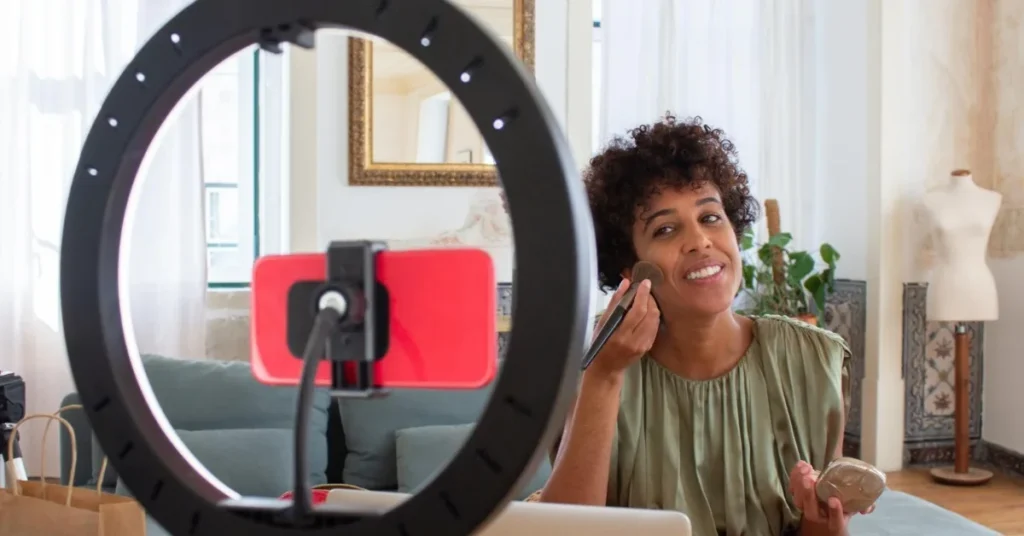
What is UGC, and can you really get paid for it with no followers? You can. I’ve always been involved in UGC through my work as a content creator, and I’ve since tested it as an income stream from scratch.
At first, brands came to me because they wanted to work with The Savvy Spender. Then I had a different thought. Could I earn from UGC as just Megan, with no name and no following? I set myself a side hustle challenge to find out, and I started from nothing.
This post explains what UGC means, what a UGC creator does, what you can earn, and which UK rules to check before your first job.
What Is UGC?
UGC is content you make for a brand, so the brand can use it on its own social media. The brand pays you for it.
You have probably seen it already. A video appears on a brand’s page, and it looks like it belongs on someone’s personal account. It feels like a friend showing you something they bought. In many cases, the brand paid a creator to make that video.
What Does UGC Stand For?
UGC stands for user-generated content. The “user” is an everyday social media user, not a film crew or an ad agency.
You will also see the term used for content that customers post about a brand for free. This post covers the paid version, where a brand hires you to make the content.
The best part is that you don’t need a large following to start. Anyone can try it.
What Is a UGC Creator?
A UGC creator is a person who makes UGC for brands. The brand pays for the video or photos. It does not pay for your audience.
If you become a UGC creator in the UK, you work for yourself. You set your own prices, agree your own deals and handle your own tax. I cover each of those below.
UGC Creator vs Influencer
People mix up these two roles. Here is the simple difference.
| UGC creator | Influencer | |
|---|---|---|
| What the brand pays for | The content you make | Access to your audience |
| Where it is posted | Usually on the brand’s channels | On your own channels |
| Do you need followers? | No large following needed | Followers are the main selling point |
Some creators do both. The difference matters most for the rules on ad labels, which I explain later.
How Does UGC Work?
When I set myself the UGC challenge, my first step was to build a portfolio. Once I had one, I started contacting brands directly. By the second week, I had already earned money from this work.
Since then, I’ve made content in a wide range of niches. These include pregnancy, crafts, baby milk, nappies, travel gear and mattresses. That is the beauty of UGC. It is versatile, and there are endless opportunities.
A typical job is simple. The brand tells you what it wants. You film or photograph it. You send the files. The brand posts the content and pays you. Agree on the fee and the payment date before you start.
You can find work in two main ways. You can contact brands directly, as I did. You can also join UGC agencies, which I cover in my masterclass.
Why Is UGC So Popular With Brands?
Brands like UGC because it feels more authentic to shoppers than a polished advert. It looks like a real person’s recommendation, and that can build trust faster. So more brands now look for creators to work with.
That is good news for you. UGC suits creative people who don’t have the time or the desire to grow a big audience but still want to earn from content.
How Much Do UGC Creators Earn in the UK?
You can expect to earn anywhere from £100 to £1,000 for a single video. The amount depends on the brand and the deliverables. Deliverables are the items you hand over, such as the number of videos and how long each one runs.
On average, one 10 to 30 second UGC video typically pays between £100 and £200.
Treat these figures as a guide, not a promise. Pay changes from brand to brand, and nobody can promise you a job.
Work out what you earn per hour, not only per video. Count the time you spend pitching, filming, editing and answering emails. A £150 video that takes a whole day is a different deal from one that takes two hours.
How to Become a UGC Creator With No Followers
Build a UGC Portfolio
A portfolio is a small collection of your best work. It shows brands what you can make. It was my first step.
If you have no past work, you could film samples with items you already own. Keep your claims honest. Only say you like a product if you do. The review rules below explain why.
Pitch Brands and Join UGC Agencies
Once you have a portfolio, contact brands directly. Pick brands you already know and would use. The content is easier to film and more honest.
You can also join UGC agencies, which connect creators with brands.
Be wary of anyone who asks for an upfront fee to give you a job or a brand deal. Action Fraud’s job application fraud alert advises caution about upfront fees. Training is different. You know what you are buying, and you decide whether it is worth it.
Price Your Work and Agree How the Brand Can Use It
Pricing is part of the job. Start with the range above, then add up your time. Ask for the fee, the deliverables and the payment date in writing before you film anything.
Also agree how the brand can use your content and for how long. GOV.UK explains that copyright protects your work from the moment you create it, and that if you own the copyright, you can license its use and decide how it is used. Who owns the copyright can depend on how the work was made, so read your agreement before you sign. If it hands the brand everything, forever, ask whether the fee reflects that.
If you want my full process, I’ve put what I know into the Ultimate UGC Masterclass. It covers what UGC is and why brands love it, building a portfolio, joining UGC agencies, pitching and pricing, and tech tips for content, plus a lot more. It is my own product, and you can get started with the masterclass here.
UGC Creator Rules in the UK
UGC is easy to start, but it comes with rules. These three matter most.
Do UGC Creators Need to Label Content as an Ad?
Often, yes, if you post it yourself. The Advertising Standards Authority’s guide for influencers says payment includes free products as well as money. If you receive either for content about a brand, it counts as advertising. You and the brand are both responsible for labelling it. The easiest fix is a clear “Ad” label at the very start of the post.
If you only send the video to the brand and the brand posts it on its own channels, the ASA says it is often already clear that it is advertising. If you share the same video on your own account, label it. If you are not sure, label it. The ASA also advises against labels such as “gifted”, “collab” or “PR”, because people do not clearly understand them.
Can You Say You Love a Product You Haven’t Tried?
No. If your video presents your own experience of a product, it must be true. The ASA’s guide says a fake review is against the law and the CAP Code, and that the Digital Markets, Competition and Consumers Act 2024 bans them. If a brand asks you to say a product was great and you haven’t tried it, you must not claim that you did.
Do You Pay Tax on UGC Income?
You might. HMRC’s guidance for content creators says that money from creating content counts as side hustle income. If you earn more than £1,000 from your side hustles in a tax year, you need to tell HMRC. That is your gross income, before costs. HMRC also says you must include the value of any gifts or services you get for promoting products.
You get one £1,000 allowance for all your side hustles, not one for each. HMRC’s own example is £800 from content creation plus £500 from selling crafts online. That makes £1,300, so you would need to tell HMRC.
Here is a UGC example. Say you make eight videos in a tax year at £150 each. That is £1,200 gross, which is over £1,000. GOV.UK says you can use the allowance instead of deducting expenses, so it is worth comparing both. This is an illustration, not a forecast.
Keep records of what you earn and what you spend. I’m not a tax adviser, so treat this as general information and check your own situation with HMRC.
Is a UGC Side Hustle Worth Trying?
Yes. UGC is a brilliant way to make money on the side, and you don’t need a large following to begin. It is also real work. You build a portfolio, pitch, film and deal with admin.
If you are weighing it up, here are other side hustles I’ve tried, and a post on how to work out which side hustle fits your week. UGC also works as a longer-term step once you have the basics running. A simple plan to make an extra £200 a month shows where it can fit.
UGC FAQs
What does UGC stand for?
UGC stands for user-generated content. In a paid UGC job, it means content you make for a brand to use on its own social media.
Can you be a UGC creator with no followers?
Yes. Brands pay for the content you make, so you don’t need a large following to start.
How much does a UGC video pay?
You can expect £100 to £1,000 for a single video, depending on the brand and the deliverables. A 10 to 30 second video typically pays £100 to £200.
Is a UGC creator the same as an influencer?
No. A UGC creator is paid for the content, and the brand usually posts it. An influencer is paid for access to their own audience.
Do UGC creators pay tax?
They can. If your total side hustle income is over £1,000 in a tax year, you need to tell HMRC.
I hope this post has answered the question “what is UGC?” and helped you decide whether to give it a go. Have you tried UGC, or are you thinking about starting? Tell me in the comments. For more side hustle ideas and money tips, join The Savvy Spender newsletter.




Pingback: How to Find the Right Side Hustle for You (No Guesswork) – The Savvy Spender