Skip to content

If you want side hustles from home that fit around a job, the kids or a tired Tuesday evening, start with the list below. I’ve tried over 30 side hustles in more than 10 years. The ones I keep coming back to fit into the small gaps in a busy week.
None of these will replace a salary on their own. Some pay a few pounds a task. Others pay £100 or more for one job. I’ll tell you which is which, what each one needs, and what to check before your side hustle income goes over £1,000. Most of them cost nothing to start.
This post contains affiliate and referral links. If you sign up through them, I may earn a small commission. It costs you nothing extra and helps support The Savvy Spender. Read my affiliate disclosure.
What can a side hustle from home really pay?
Start with a reality check. A 2025 survey of more than 1,000 people in the UK found that 68% of people with a side hustle earn up to £500 a month. Of those, 36% earn less than £100. The average was £367.88 a month, and only 9% earned more than £1,000.
Small amounts are normal. £100 a month is still £1,200 a year, and that is a real boost for a family budget.
Start-up cost matters too. In the same survey, 49% of people said they paid nothing to get started. That matches this list. Eight of the ten cost nothing to begin. Dog boarding and renting a room need a bit more set-up, so I’ve put them last.
I split home side hustles into two groups. Quick tasks pay a few pounds each and take minutes to start. Bigger jobs, such as research calls, UGC videos and freelance work, pay more per job but take longer to land. Mix one of each and you get steady small wins plus the odd bigger payday.
10 side hustles from home
1. Paid market research UK
Companies pay people for their opinions on products, apps and websites. You join a platform, fill in a profile and apply to studies. Respondent and User Interviews are two places to look. Good studies can pay £50 or more for an hour of your time.
Here is the catch. You answer a short screener first, and it is unpaid. Researchers then choose who to invite, so a good match is not a guaranteed place. Respondent also takes a 5% fulfilment fee, with a $1 minimum, so you receive slightly less than the advertised amount. Fill in your profile in full and answer honestly.
2. Get paid to test websites
You use a website or app and say what you think as you go. On my favourite app, a quick test pays around £7. TestingTime lists paid website testing and market research.
What is on offer changes from week to week, so sign up to more than one platform. Check each platform’s payout rules too, and cash out in good time. Website testing and market research are two of the ways I make money online.
3. Paid surveys
Surveys pay the least of the ten, and they are the easiest to start. Apps such as MSR and AttaPoll suit spare minutes, like while the kettle boils.
I’d set a target of £2.50 a day. You will miss it some days, and that is fine. If a daily goal feels tight, aim for £17.50 a week. I’ve set out how to make an extra £200 a month by stacking surveys, research and website tests if you want a worked example.
4. Paid product trials
A company sends you a product. You try it, give feedback and get paid. Sometimes you keep the item too. I don’t think I’ve ever been paid under £50 for a proper product trial, and my highest was £150. Those are my own figures, and pay changes from one trial to the next.
Free panels and paid trials are not the same thing. It helps to know how to tell paid trials from free panels and spot the scams before you sign up. Check the fee before you say yes.
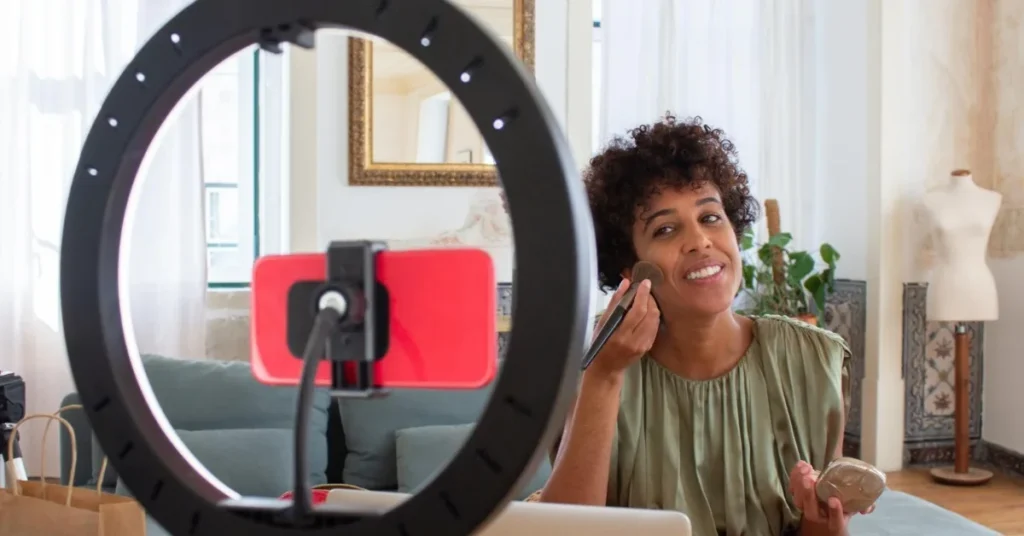
5. UGC creation
UGC means user-generated content. Brands pay you for short videos they post on their own channels, so your follower count does not decide whether you can start. One 10 to 30 second video typically pays £100 to £200, and the range runs up to £1,000 depending on the brand and what you deliver.
That is a bigger payday than a survey, but it takes longer to land your first job. If you’re curious, here is what UGC is and how brands pay creators. Like any freelance work, income can change from month to month, so build up slowly.
6. Sell things you no longer use
Clearing out old clothes, toys and gifts is one of the simplest ways to make money from home. If you sell the odd unwanted item, you don’t usually need to tell HMRC. Buying things to resell for a profit is different, and that counts as trading.
Online platforms must now share seller information with HMRC if you sell 30 items or more a year. That alone does not mean you owe tax. Good photos and honest descriptions help things sell, and these tips for selling more on Vinted cover the basics.
7. Train AI
Some companies pay people to check, rate or correct AI answers. I rated this 7/10 in my honest side hustle ratings, because I need to do more of it to see its full potential. I’ve seen some sites offer £30 to £60 an hour. Treat that as the top end. Pay depends on your skills and the project.
Check the hourly rate before you start any project. If a site asks you to pay to join, walk away.
8. Freelance skills: writing, design, admin and tutoring
If you already have a skill, you can sell it from your laptop. Writing, proofreading, design, virtual assistant work and online tutoring all suit a home setup. You set your price and find clients through platforms such as Fiverr and Upwork.
This takes more effort than a survey. Clients take time to find, and income swings from month to month. If it grows, these 50 small business and self employment ideas for the UK show where it could go next.
9. Dog boarding at home
This suits you if you work from home and love dogs. Rates vary by area, so check what local sitters charge before you set your price.
Check the rules first. In England, GOV.UK guidance says all dog home boarding needs a licence if you run it as a commercial business. Ask your local council where your plans fall before you take a booking.
10. Rent out a spare room
Not every home side hustle needs a laptop. The Rent a Room Scheme lets you earn up to £7,500 a year tax-free from letting furnished accommodation in your home. The limit halves to £3,750 if you share the income with someone else.
You will need a spare room and some trust. Check your mortgage, lease and home insurance before you advertise.
Easy side hustles for beginners: how to choose
Pick based on your week, not on the biggest number. Here is how I’d match them:
- Ten spare minutes here and there: surveys and website tests.
- An hour you can protect: market research calls and product trials.
- A skill or a camera: UGC, AI training or freelance work.
- A spare room or a dog-friendly home: items 9 and 10.
Start with one for a few weeks. Write down every payment as it lands, because that gives you a record for tax. If you’re stuck, here is how to choose a side hustle that fits your week.
One rule has never let me down. A real company pays you. You don’t pay it. Never pay for training, a list of jobs or access to an account.
Side hustle tax UK: what to check once you pass £1,000
The trading allowance on GOV.UK lets you earn up to £1,000 a year without telling HMRC, in most cases. That figure is before costs, and it covers all your side hustles together. Tax Help for Hustles gives an example: £800 from content and £500 from crafts is £1,300, so you would need to tell HMRC.
If you go over £1,000, register for Self Assessment by 5 October after the tax year ends. For the 2026 to 2027 tax year, that is 5 October 2027. Your main job does not cover this. Side hustle income does not appear on your payslip, so telling HMRC is your job. You can check if you need to tell HMRC about extra income in a few minutes.
You may have seen news of a £3,000 limit. GOV.UK’s policy paper says the government will raise the trading allowance to £3,000 from 6 April 2027, with legislation in the Finance Bill 2026 to 2027. Until then, £1,000 applies. I explain what is actually changing with the HMRC side hustle tax limit in a separate post.
Here is a simple example. Say you earn £2,400 in the 2026 to 2027 tax year from surveys, research and website tests. You can use the £1,000 allowance instead of claiming costs. That leaves £1,400 to tax. A basic-rate taxpayer pays 20% on it, which is £280. Your own rate depends on your total income, so treat this as an illustration, not a forecast. Registering does not always mean you pay much, but you do need to register.
Rent a Room has its own limit, so item 10 follows different rules from the allowance above. I’m not a tax adviser, so check GOV.UK if you’re close to a limit.
Quick answers
What is the easiest side hustle from home?
Surveys and website tests. They need no skills and no money to start, but they pay the least.
Can I do a side hustle from home with a full-time job?
Yes. Most of them run in short gaps, such as an evening or a lunch break.
Which side hustle from home pays the most?
UGC jobs, freelance work and good market research studies pay the most per job. They also take longer to land.
My take
My advice is to pick one quick task and one bigger job. Surveys or website tests give you small wins this week. A research application or a UGC video gives you something bigger to aim for.
Which of these would you start with? Tell me in the comments. For more ideas like these, join The Savvy Spender newsletter.